I’m a Sr. Product Designer, UX strategist, and founder who loves exploring the intersection of design, technology, AI, and startups.
For 18+ years, I’ve helped B2B founders redesign healthcare, fintech, and AI products by combining human-centered design, product thinking, and AI workflows.
30+ startups helped / 12M+ users impacted

My Journey
My work sits between humans and complex systems.
I started designing products before SaaS became a buzzword.
Over the last 18+ years, I have seen interfaces move from static websites → mobile apps → cloud SaaS → AI-powered products.
One thing never changed:
Technology keeps becoming smarter, but humans still get confused.
AI/UI/UX Podcast
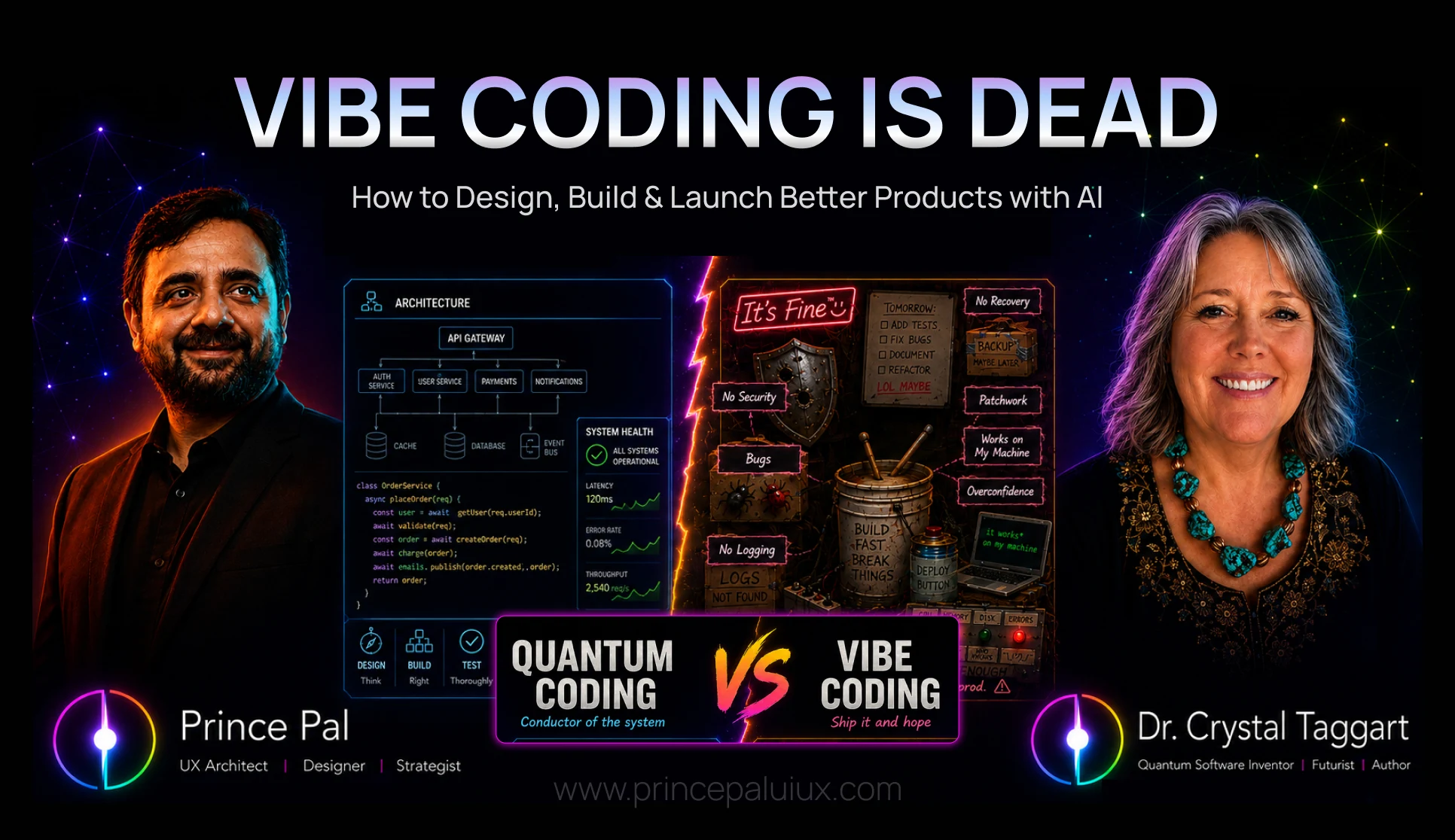
Vibe Coding Is Dead. Judgment Becomes Everything. Design, Collaborate & Launch with AI – Podcast Episode #2
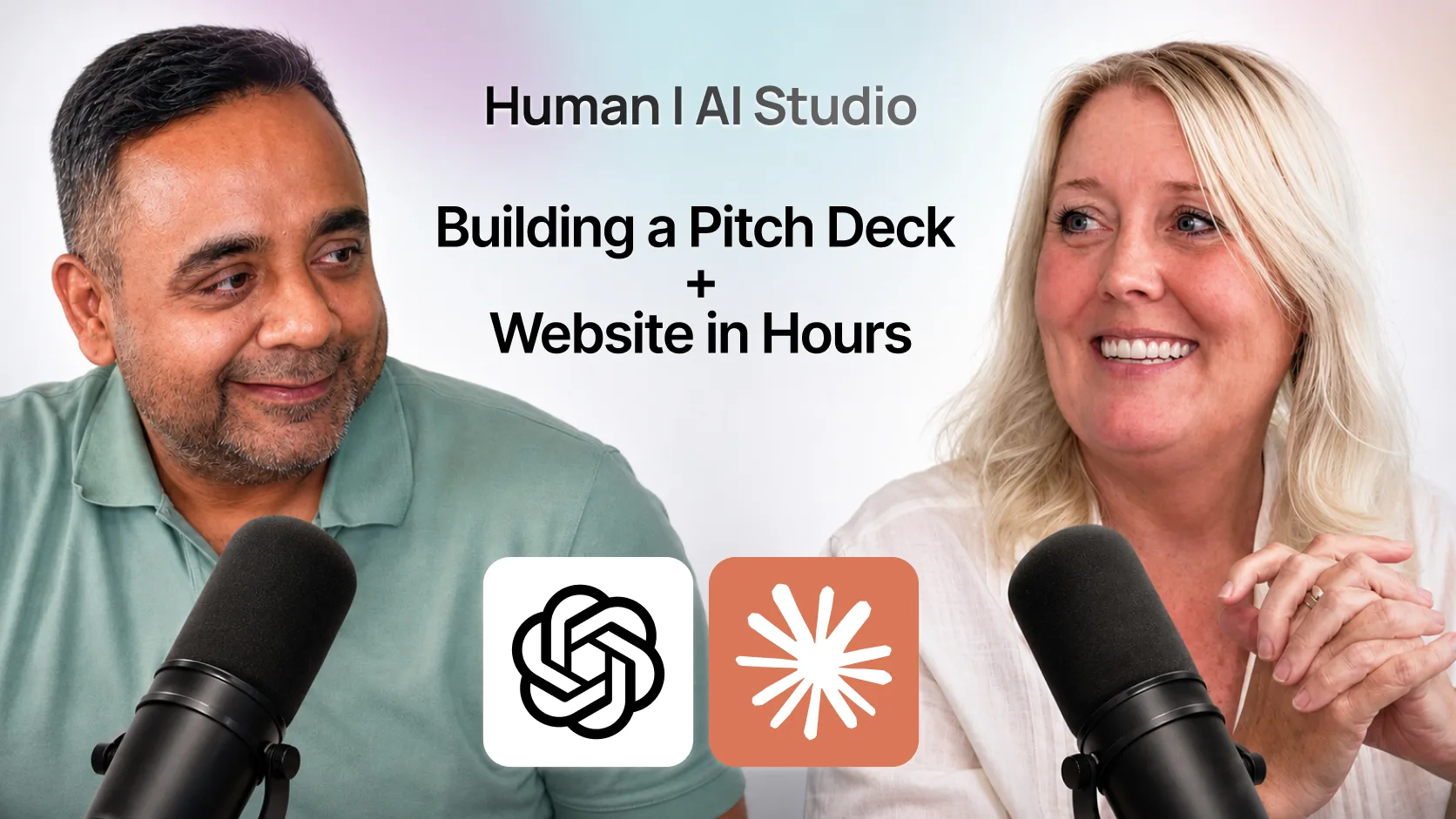
Pitch Deck, Landing Pages & AI Collaboration – Podcast Episode #2
I’ve great achievements to show
18+
Years Designing Products
30+
SaaS Products
300M+
Client Funding Impact
$12M+
Users Impacted
Problems I Help Teams Solve
AI Products
SaaS Platforms
Design Systems
Why AI Companies Hire Me
AI Changed Design. My Role Changed Too.
AI can generate interfaces in seconds.
The problem is deciding what should be generated, why users need it, and how humans trust the result.
That is where experienced UX thinking matters.
I help teams define:
✓ AI interaction patterns
✓ Human approval flows
✓ Agent experiences
✓ Trust & safety UX
✓ Feedback loops
I did hands-on work directly with these clients
Healthcare
Fintech
AI SaaS
Human + AI Product Design Process
My design process combines 18+ years of human-centered UX expertise with modern AI-powered workflows.
AI helps me move faster — analyzing research, identifying patterns, generating ideas, and accelerating documentation. Human experience ensures every decision is strategic, ethical, usable, and aligned with real customer needs.
My philosophy remains simple:
Create shared understanding. Build trust. Stay curious. Move fast. Keep humans at the center.
“Create products that work beautifully, feel natural, and grow businesses.”
↓
Discover
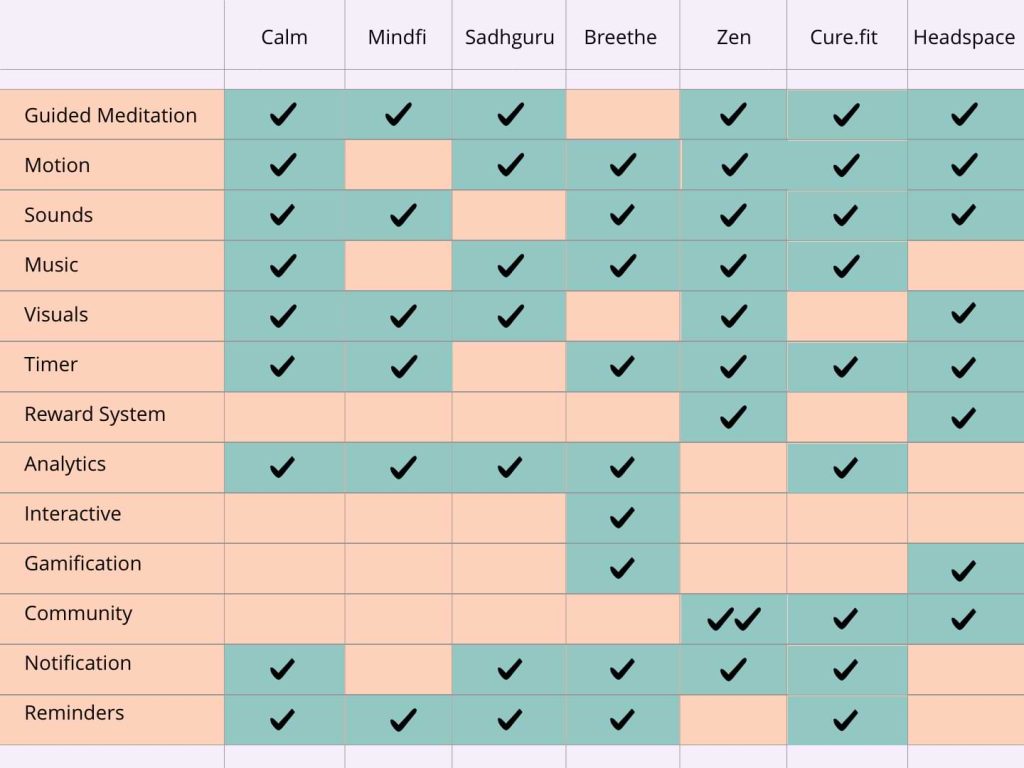
1. AI-Assisted Competitive Analysis
Before designing anything, I study the market landscape to understand competitors, opportunities, user expectations, and product gaps.
Using AI research tools combined with human analysis, I identify:
- Direct and indirect competitors
- Market positioning opportunities
- Feature comparison gaps
- User experience patterns
- Pricing and business models
- Customer sentiment from reviews
- Strengths and weaknesses
- Emerging industry trends
AI helps process large amounts of competitive data faster. My role is converting those insights into strategic product decisions.
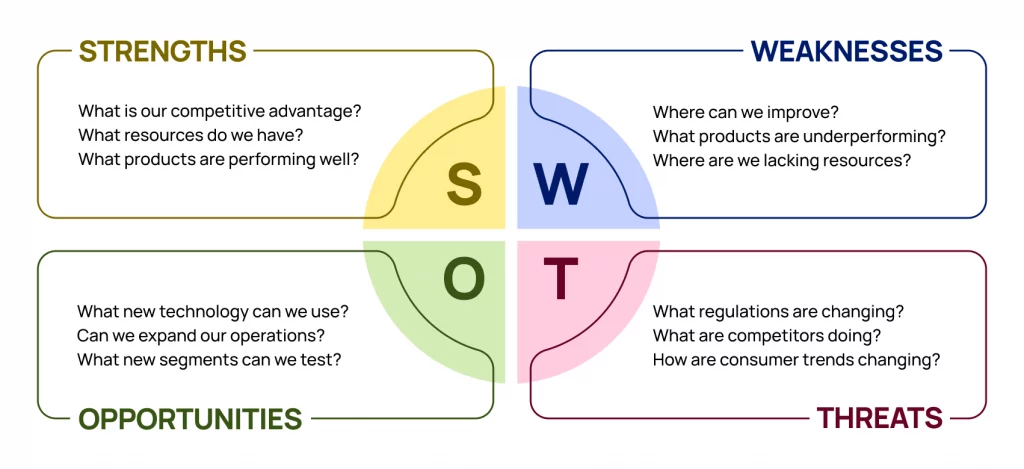
2. AI-Powered SWOT Analysis
A successful product starts with understanding business reality.
I use SWOT analysis to evaluate:
- Strengths — What advantages can we build upon?
- Weaknesses — What friction should we remove?
- Opportunities — Where can the product grow?
- Threats — What risks should we prepare for?
AI helps organize research, discover patterns, and explore scenarios, while strategic decisions remain human-led.
The outcome is a clear UX roadmap connected to business goals.
3. User Research & Mental Models
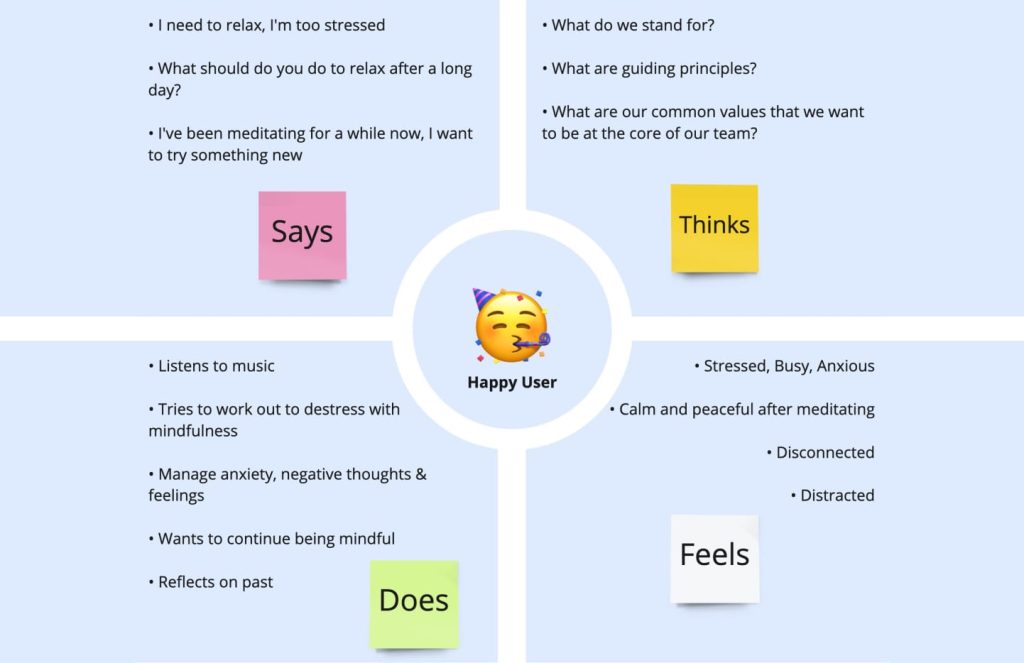
Great products are designed around how users think — not how companies assume they think.
Through interviews, research, analytics, and AI-assisted insight analysis, I uncover:
- User expectations
- Motivations
- Decision-making patterns
- Pain points
- Behavioral triggers
- Trust barriers
AI helps summarize research findings and detect patterns across large datasets.
Human empathy turns those insights into meaningful experiences.
4. AI-Assisted Task Analysis
I map how users complete important actions inside a product.
This helps identify:
- User goals
- Required steps
- Decision points
- Friction areas
- Cognitive load
- Opportunities for automation
AI helps analyze workflows and suggest improvements, but every flow is validated through UX principles and user needs.
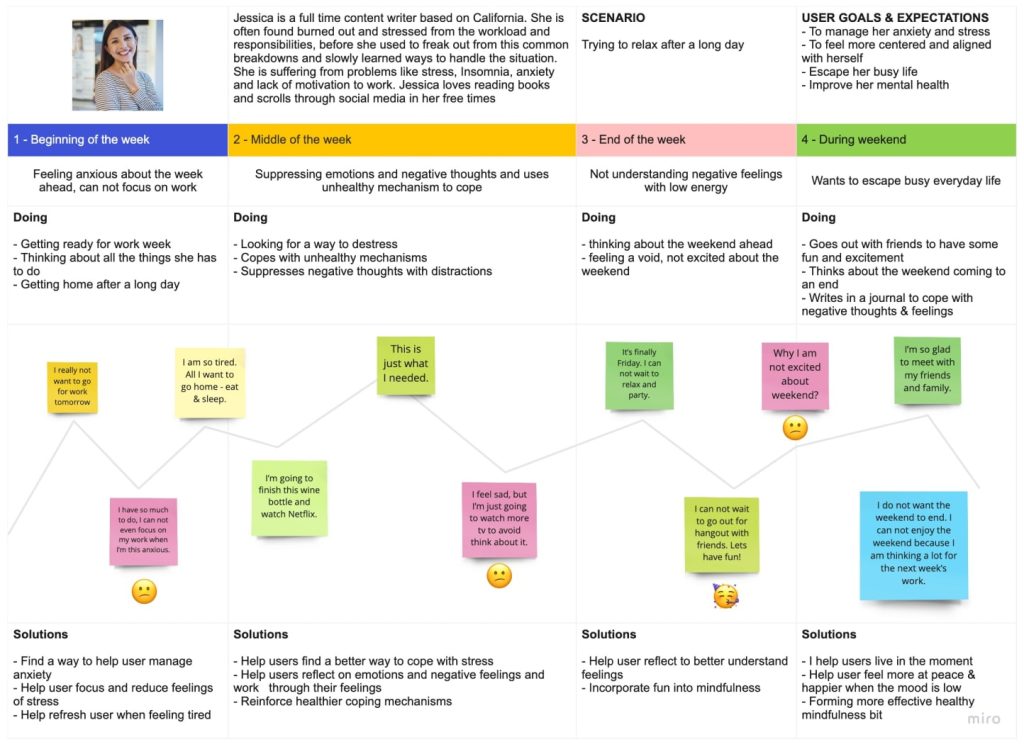
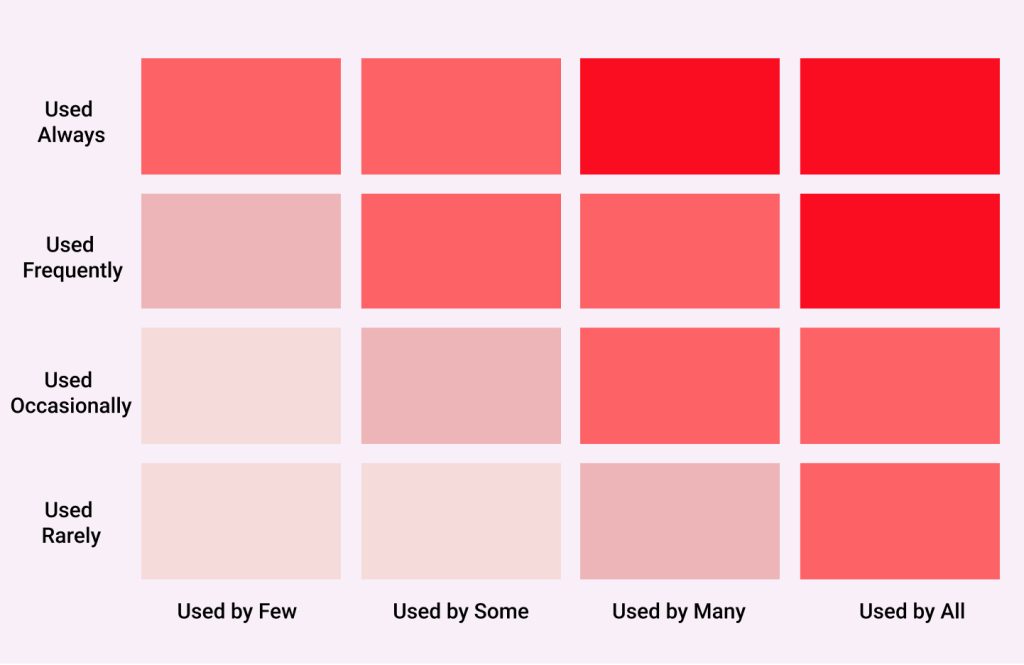
5. Critical Journey & Red Route Analysis
Every product has moments that matter.
I identify the most important user journeys responsible for activation, conversion, retention, or revenue.
The goal:
Help users move from Point A to Point B with minimum confusion.
I optimize:
- Signup flows
- Onboarding journeys
- Core product actions
- Checkout experiences
- AI-human interactions
For AI products, I also define where automation should happen and where human control is required.
Design
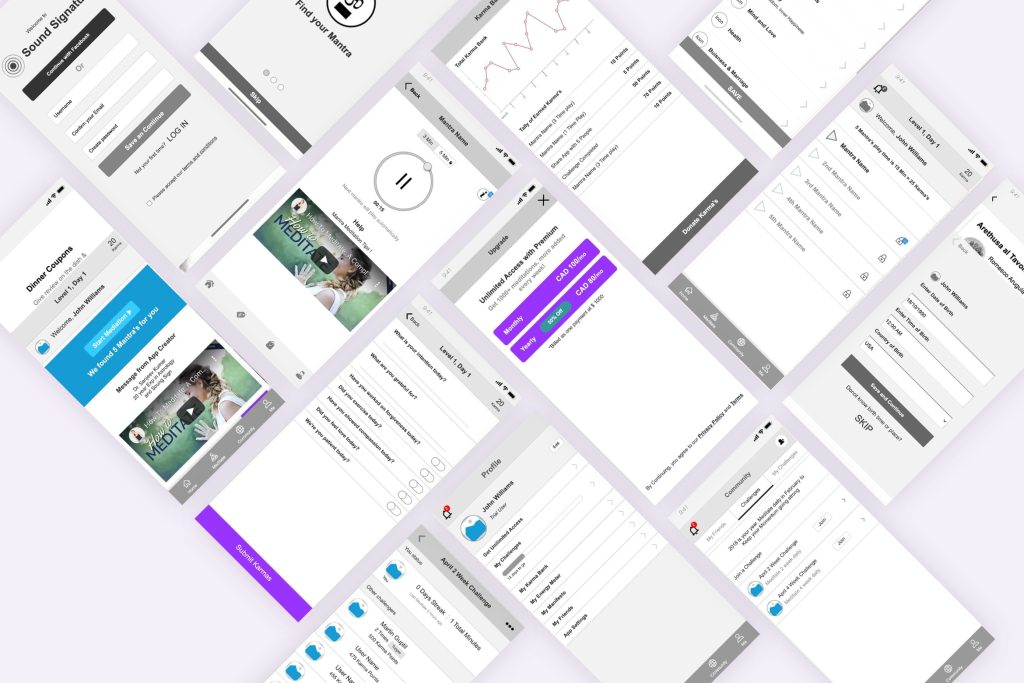
6. AI-Enhanced Wireframing
Wireframes turn ideas into structure.
Before focusing on visuals, I create low-fidelity experiences to test:
- Information architecture
- User flows
- Page hierarchy
- Content structure
- Interaction patterns
AI accelerates early exploration by generating layout ideas, UX suggestions, and alternative flows.
Tools:
Figma AI assistant, Axure, Claude Design
7. High-Fidelity UI Design & Design Systems
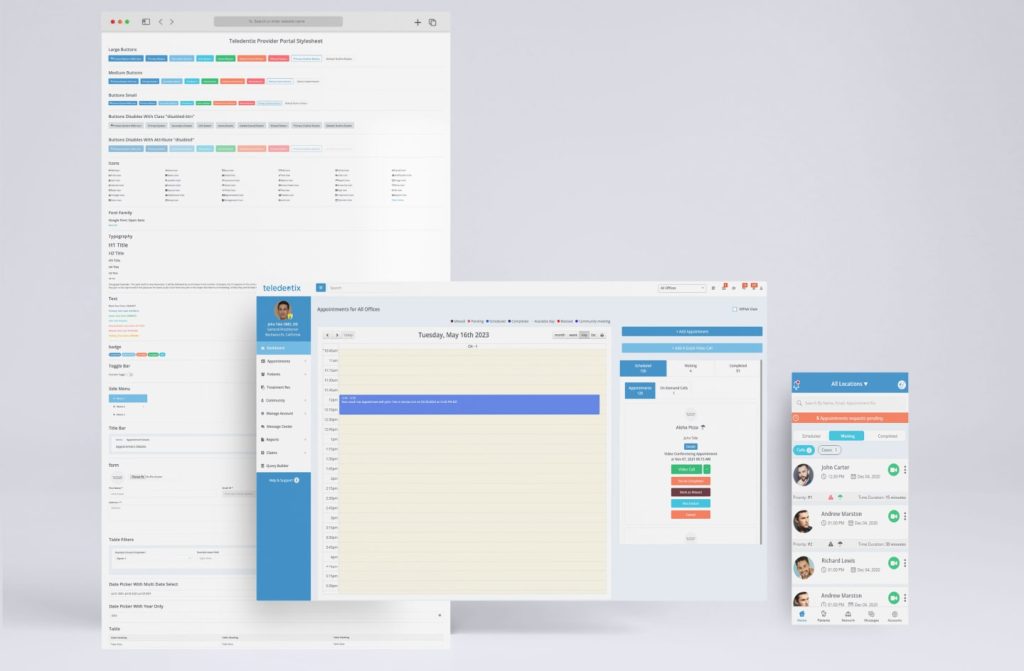
After validating the structure, I create production-ready interfaces.
This includes:
- Visual design
- Branding alignment
- Components
- Accessibility standards
- Responsive behavior
- Scalable design systems
AI supports:
- Design exploration
- Content improvement
- Component documentation
- Accessibility checks
Human creativity ensures the product feels unique, trustworthy, and memorable.
Tools:
Figma AI, Claude Code and Design
8. Interactive Prototypes
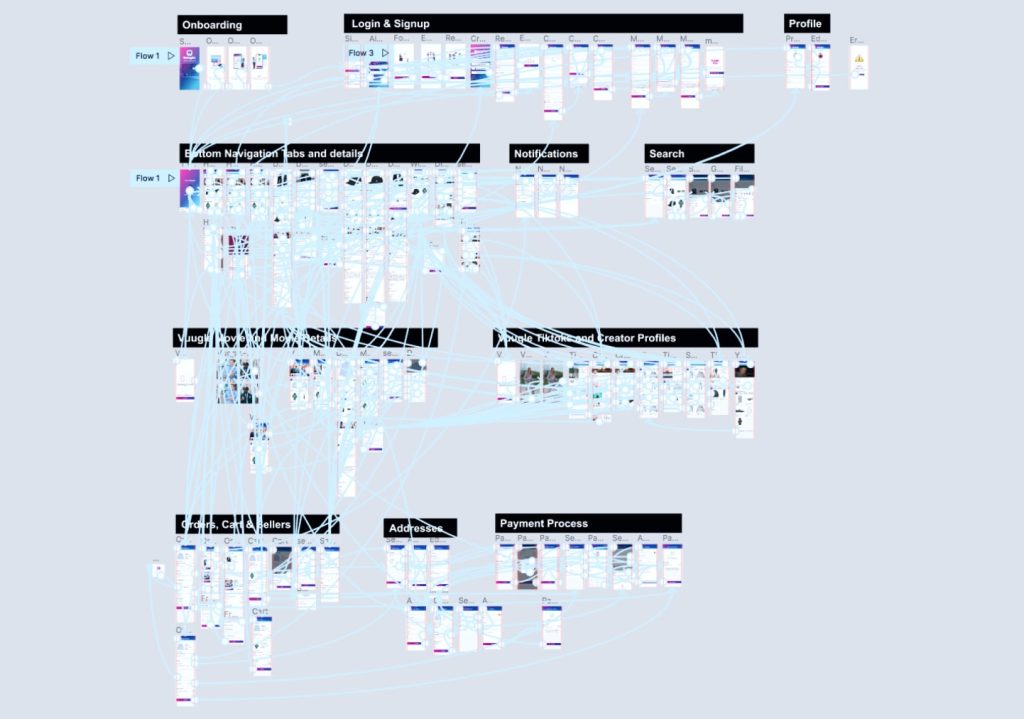
I create realistic prototypes before development begins.
This allows founders, teams, investors, and users to experience the product early.
Prototypes help validate:
- User journeys
- Interactions
- Navigation
- Product logic
- AI workflows
Tools:
Figma AI, Framer, Claude Design
9. AI-Assisted User Stories & Documentation
Good design fails without clear communication.
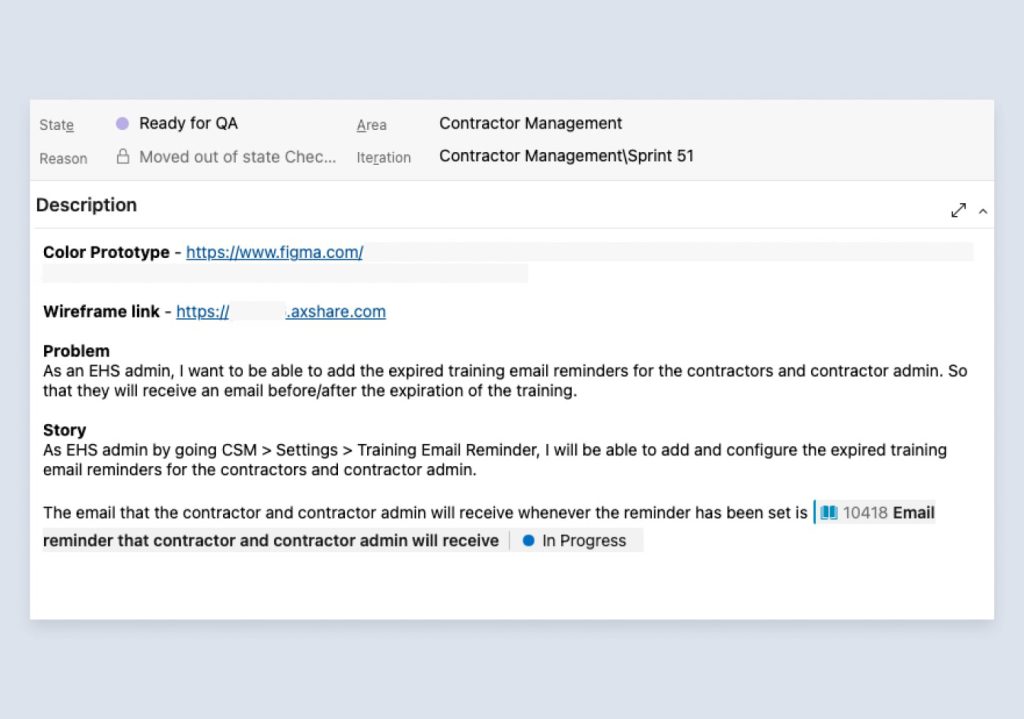
I create detailed user stories and product documentation to align designers, developers, and product teams.
AI helps accelerate:
- User stories
- Acceptance criteria
- Product requirements
- Edge cases
- Technical documentation
The result:
Less confusion. Faster development. Better products.
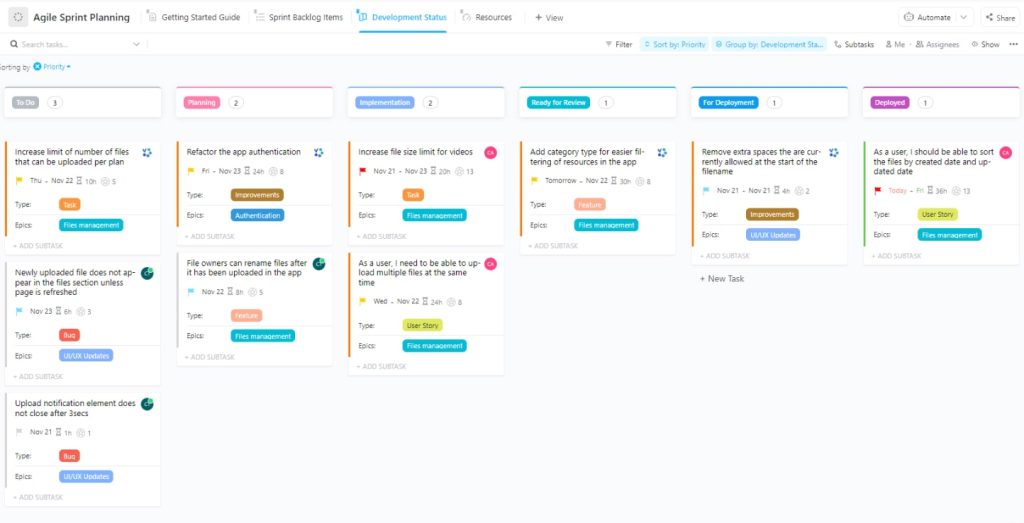
10. Sprint Planning & Product Collaboration
Design is not finished when Figma files are delivered.
I collaborate with product and engineering teams to prioritize features and plan development.
Activities include:
- Sprint planning
- Feature prioritization
- Design QA
- Developer collaboration
- Product improvement discussions
Tools:
Jira, ClickUp, Notion, Linear
Improve
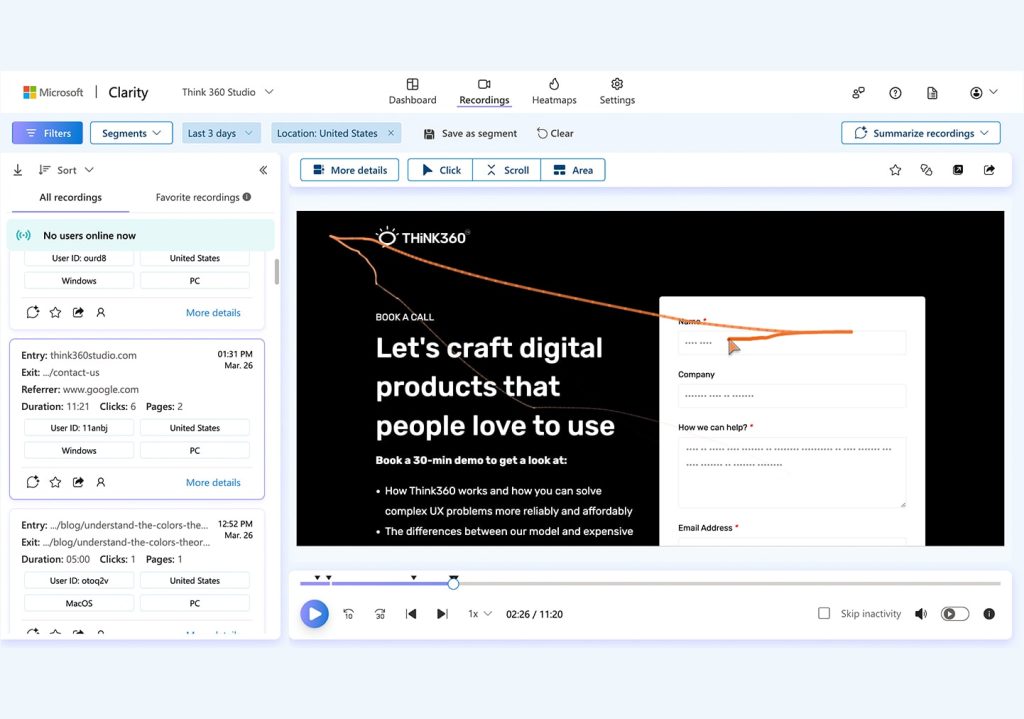
11. AI-Assisted Usability Testing
Testing reveals what users actually do — not what we assume.
I conduct usability studies to understand:
- Where users struggle
- What creates confusion
- Why users abandon tasks
- How easily goals are completed
AI helps:
- Analyze recordings
- Summarize feedback
- Identify patterns
- Generate research insights
Human judgment decides what problems truly matter.
12. Continuous Improvement Using HEART Framework
A great product is never finished.
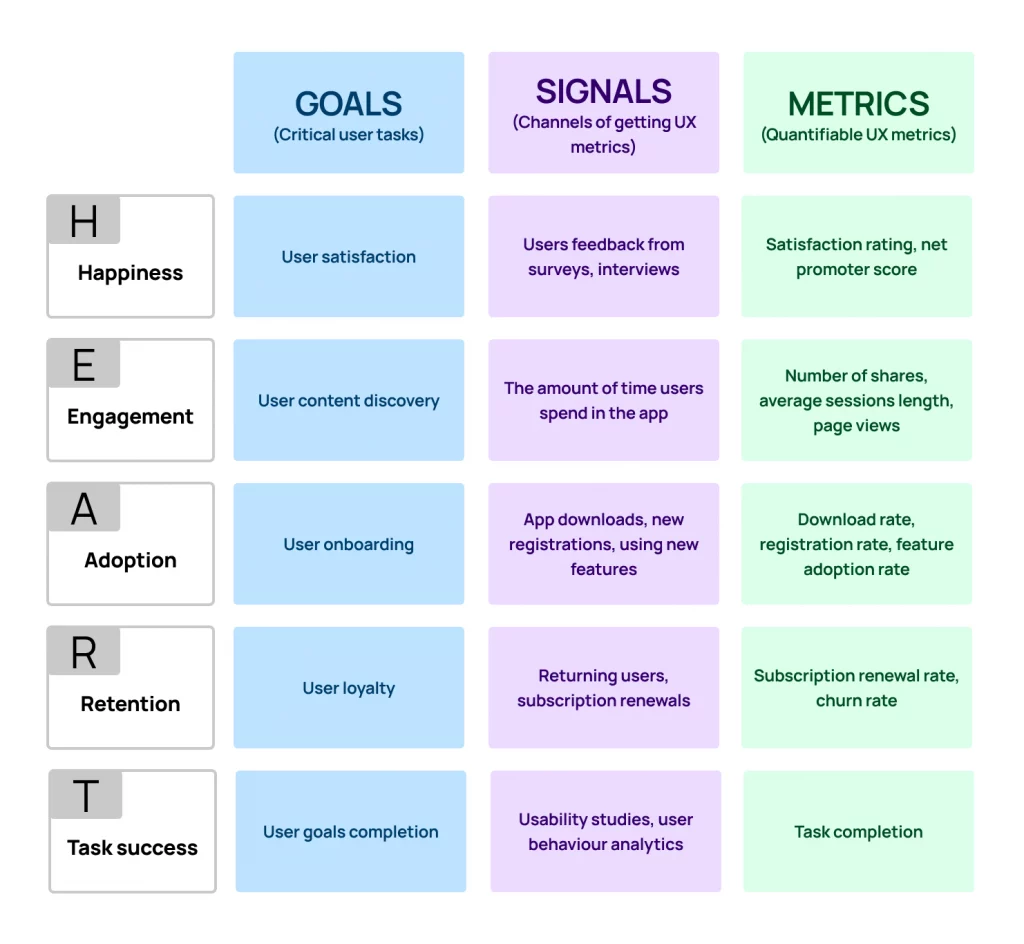
I use Google’s HEART framework to measure:
Happiness
Engagement
Adoption
Retention
Task Success
Together with AI-powered analytics and user feedback, I continuously improve:
- Product usability
- Conversion rates
- Customer satisfaction
- Long-term retention
UX books authored by me
I’m the author of two insightful UX books that share valuable knowledge and expertise in user experience design.
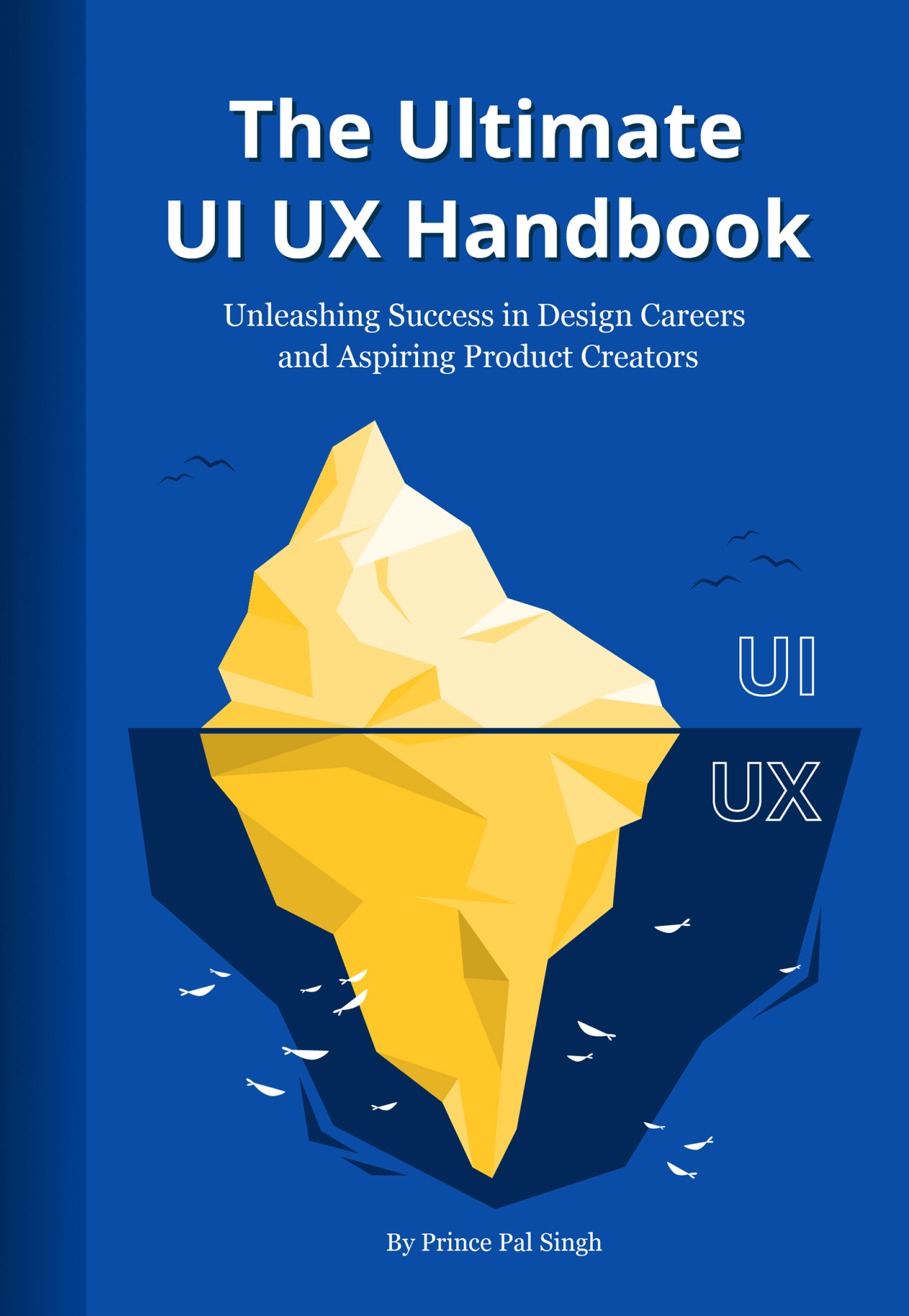
The Ultimate UI UX Handbook
This book isn’t just about theory and concepts. It’s a UI/UX practical guide packed with real-world examples, actionable advice, and insightful case studies. It’s designed to inspire, challenge, and empower you to create designs that leave a lasting impact.
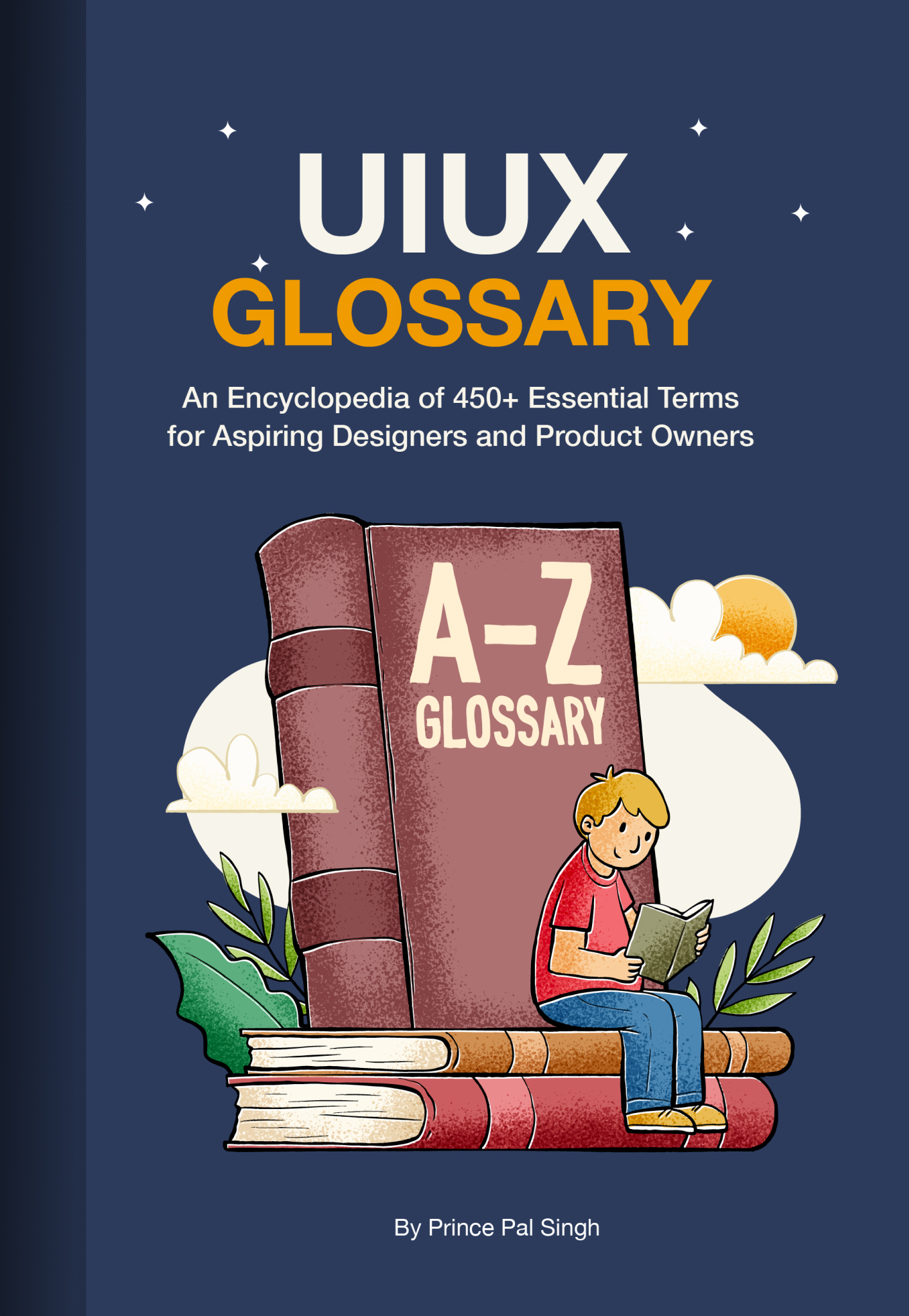
UI UX glossary
It’s an indispensable resource curated for aspiring designers and product owners alike. Dive into a comprehensive collection of over 450+ essential terms meticulously compiled to demystify the intricate world of User Interface (UI) and User Experience (UX) design.